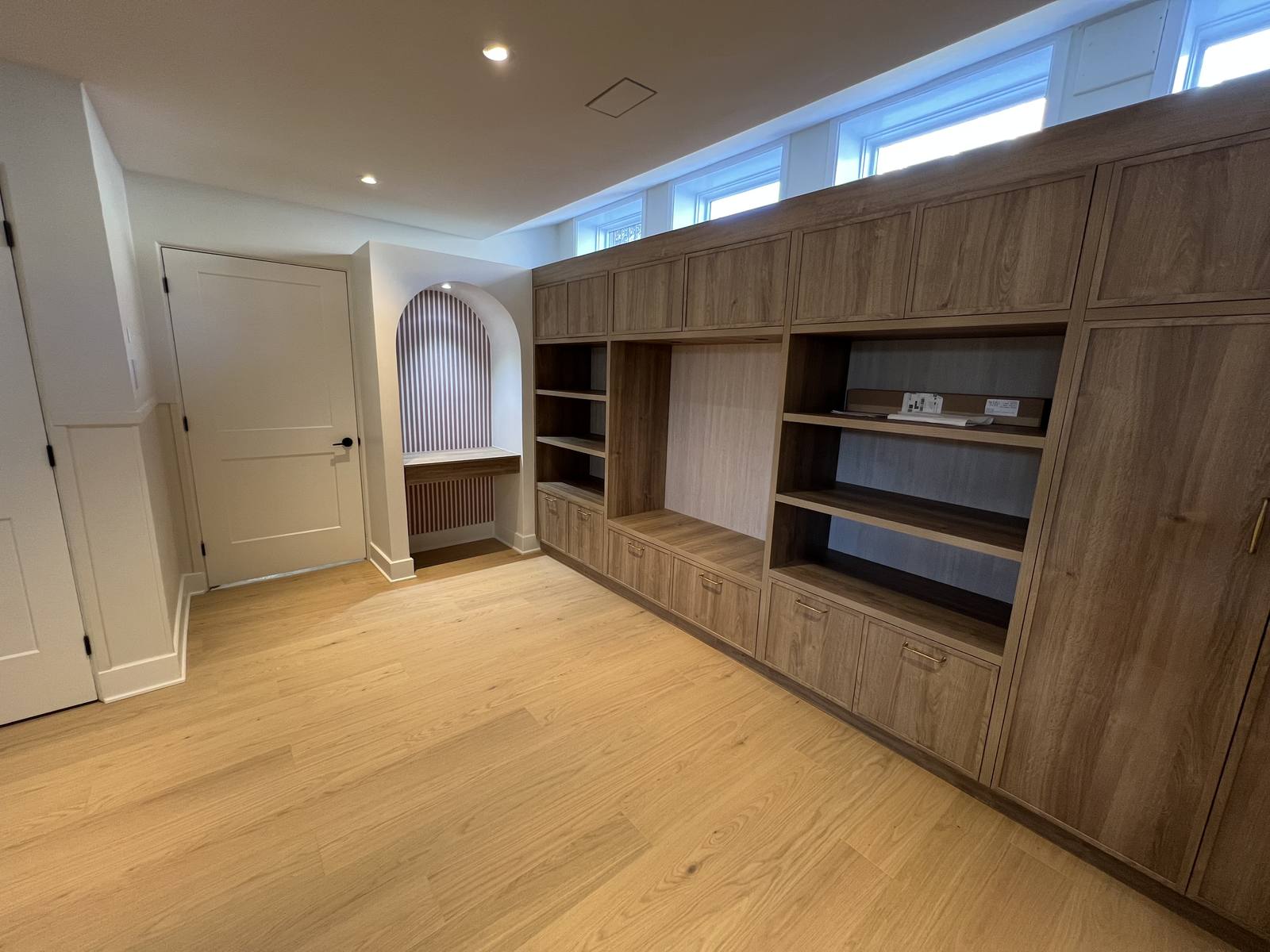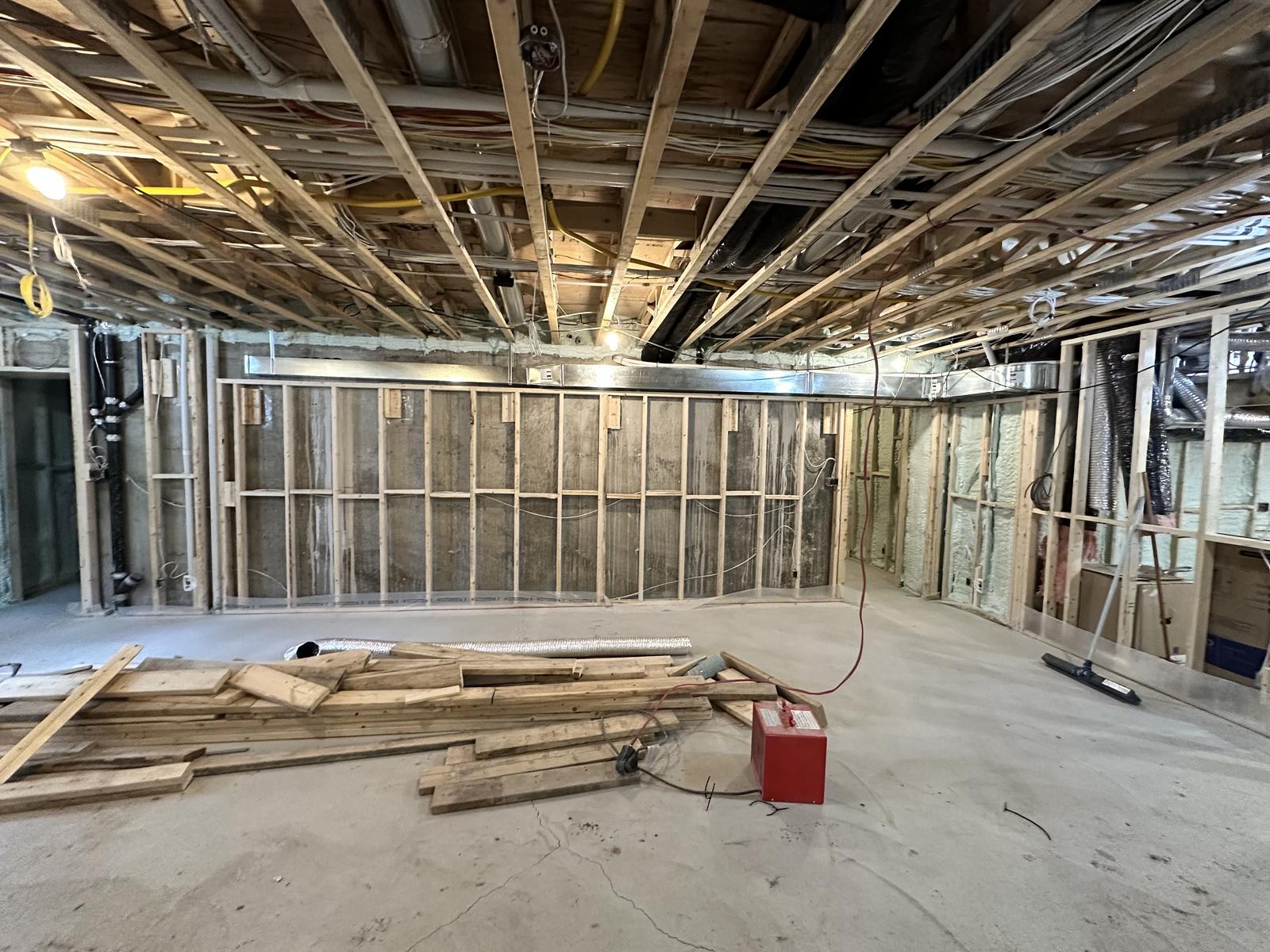
In Montréal you need a permit as soon as the work touches the foundation, the structure or a wall, changes how rooms are divided or adds floor area. Painting, new flooring and replacing cabinets or countertops don't need one.
The permit costs $9.80 per $1,000 of work, taxes included, with a minimum of $167.40 for a residential building. Last checked on montreal.ca: November 22, 2026.
A permit can feel like red tape you'd rather skip. But it's the first thing a buyer, an insurer or a city inspector is likely to check. The good news: in Montréal the basic rules are clear and the fee is easy to calculate.
This guide sums up what the City of Montréal says, with links to its official pages. One thing to know up front: your borough issues the permit, and some boroughs add their own requirements. Off the island, cities like Brossard and Laval have their own bylaws. Before you start, always check with your borough or city.
Which jobs need a permit?
According to the city's page on interior renovations, you need a permit if the work:
- touches the foundation or changes the structure of the dwelling;
- changes a wall, load-bearing or not;
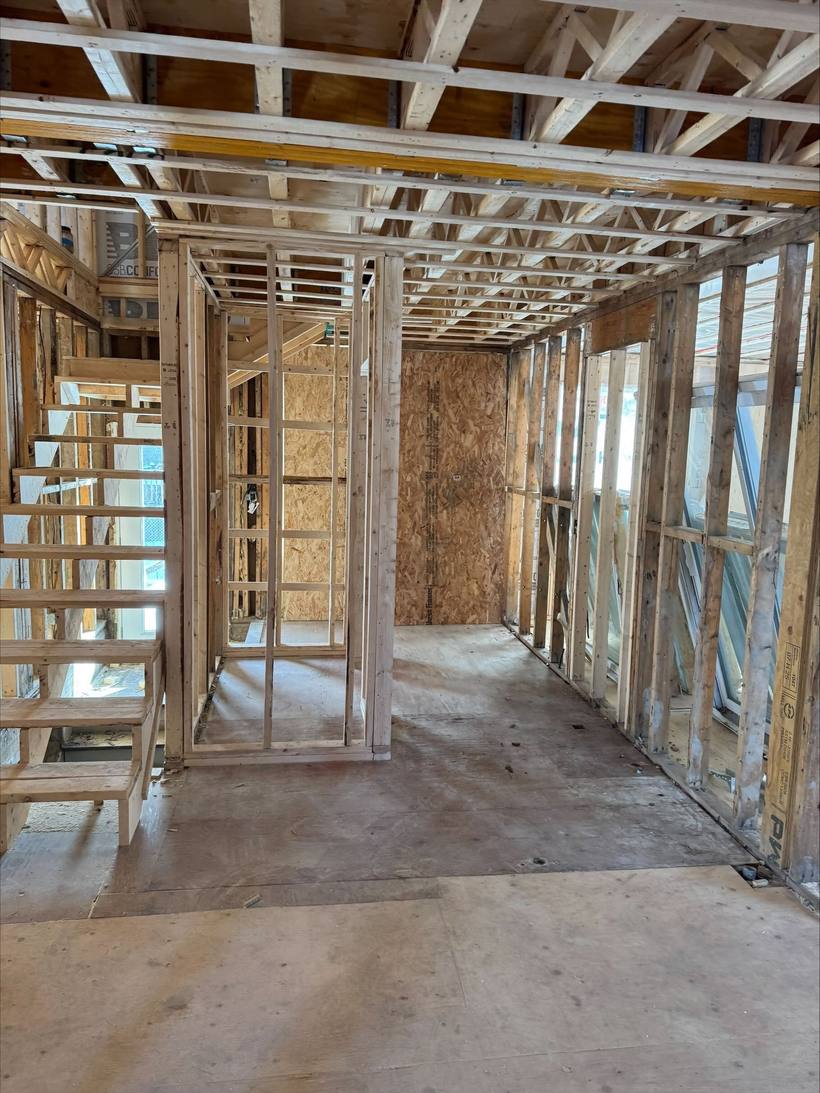
- changes the size, layout or use of rooms;
- adds floor area, such as an addition.
Outside, every borough requires a permit to change the size of a door or window opening, or to add a new one. In some heritage areas, work on the façade may also require a site planning and architectural integration programme (PIIA).
What about finishing a basement?
In most cases, yes: finishing a basement usually means framing partitions and creating rooms, which changes how the dwelling is divided. Some boroughs go further. In Saint-Léonard, for example, the city says a permit is required as soon as the work involves drywall wall or ceiling finishes. Check with your borough. For the project itself, see our basement renovation page.
What about plumbing and electrical?
This is the one that surprises people: the City of Montréal no longer issues permits for plumbing, electrical, or electric or gas heating. That work is still governed by provincial rules and has to be done by licensed contractors; for questions, the city refers you to the Régie du bâtiment du Québec. Keep in mind that if moving a bathroom means opening or moving a wall, the wall is what triggers the permit.
Jobs that usually don't need a permit
The same city page lists minor cosmetic work that doesn't need a permit, for example:
- replacing floor coverings (carpet, flooring);
- repainting walls;
- replacing cabinets or countertops;
- replacing a sink or a bathtub.
So swapping your cabinets like-for-like doesn't need a permit. If the new kitchen moves a partition or opens onto the living room, though, the rules change. When in doubt, a question at your borough's permit counter costs a lot less than a stop-work order.
How much does a renovation permit cost in Montréal?
According to the city's page on the cost of a renovation permit, the formula is: cost of the work ÷ 1,000 × $9.80. The cost of the work has to include plans and specifications, excavation, labour, materials and equipment, and taxes.
- Minimum: $167.40 for a strictly residential building, $491.70 for a commercial, industrial, institutional or mixed-use building.
- Non-refundable, even if the application is cancelled or refused.
- Renewal: 25% of the original permit fee, with the same minimums.
- Heritage fees: if the building or the area has heritage value, additional review fees that vary by borough may apply.
Three worked examples
| Project (residential building) | Cost of work, taxes included | Calculation | Permit fee |
|---|---|---|---|
| Small job, one partition | $8,500 | 8.5 × $9.80 = $83.30 | $167.40 (minimum) |
| Basement or kitchen with new partitions | $35,000 | 35 × $9.80 = $343.00 | $343.00 |
| Major renovation | $120,000 | 120 × $9.80 = $1,176.00 | $1,176.00 |
Calculated with the formula and minimums published by the City of Montréal. Last checked: November 22, 2026.
In practice, any residential job under $17,081.60 pays the $167.40 minimum. Other cities use other formulas: in Brossard, for instance, a residential addition costs $51 plus $3.50 per $1,000. We compare the two cities in our guide to home addition costs.
Not sure whether your project needs a permit? We'll come see it, tell you, and give you a detailed quote.
Book a consultation →The documents you'll need
For an interior renovation, the city asks for:
- a certificate of location, prepared by a land surveyor (how to get one);
- the building specification sheet (fiche-bâtiment);
- a quote or cost estimate grid, taxes included;
- any plans, elevations and sections showing the proposed layout;
- where needed, structural plans signed and sealed by an engineer, your condo board's authorization or a power of attorney.
For an addition the list is longer: a site plan, elevations of every façade, plans of every level and structural plans prepared by an engineer, according to the city's page on building additions.
How long does it take to get a permit?
The city doesn't publish one single timeline: it depends on the type of application, how complex it is and the season. Boroughs do give reference points:
- in Rivière-des-Prairies–Pointe-aux-Trembles, the average review time for a renovation permit is 8 to 10 weeks once every document has been submitted, as an indication only;
- in Rosemont–La Petite-Patrie, the city says to allow 30 to 60 days for an addition permit from the date the application is received.
A complete file from day one is the best way to avoid back-and-forth. A PIIA, where it applies, adds time.
The risks of renovating without a permit
According to Soumission Rénovation (in French), skipping the permit can cost far more than the permit itself:
- Stop-work order: an inspector can issue a notice of violation, stop the job or require you to regularize the file.
- Fines: they vary by borough and can add up if work continues.
- Corrections or demolition: the city can require non-compliant work to be fixed, or even torn out.
- Resale: careful buyers and their brokers check the permit history with the city.
- Insurance: after a loss, work done without a permit can complicate a claim, especially if it's linked to the cause of the damage.
How Construction Hibou handles permits
The city says it plainly: the person representing the construction company can file the permit application. That's what we do for our clients. As an RBQ-licensed (5798-4619-01) and insured general contractor, we coordinate plans, permits and inspections:
- at the consultation, we check whether your work needs a permit and what your borough requires;
- we pull the documents together with the professionals the job needs, such as an engineer;
- we build the permit and its timeline into the budget and schedule before work starts.
See our pages on residential renovation, home extensions and basement renovation, or our guide to renovation costs in Montréal in 2026.